DST sponsor profile
Brookfield
Firm facts, program history and offerings on Baker 1031. Alphabetical and unranked; not an endorsement.
Facts checked Jerry Baker
The short answer
Brookfield is a global asset manager whose DST line runs through Brookfield Real Estate Income Trust, a non-traded REIT. The REIT's 2025 annual report says it launched a DST program on October 1, 2024. The program runs through the REIT's operating partnership, and the REIT lists a New York address.
Key facts
- Headquarters
- New York, NY
- DST or TIC programs since
- 2024
- Program types
- DST, 721 UPREIT, Non-traded REIT
- SEC filings
- EDGAR (CIK 1713407)
- Website
- privatewealth.brookfield.com
From the sponsor's own website and public filings, checked November 1, 2026. Sources are listed in the full profile.
Brookfield offerings on Baker 1031
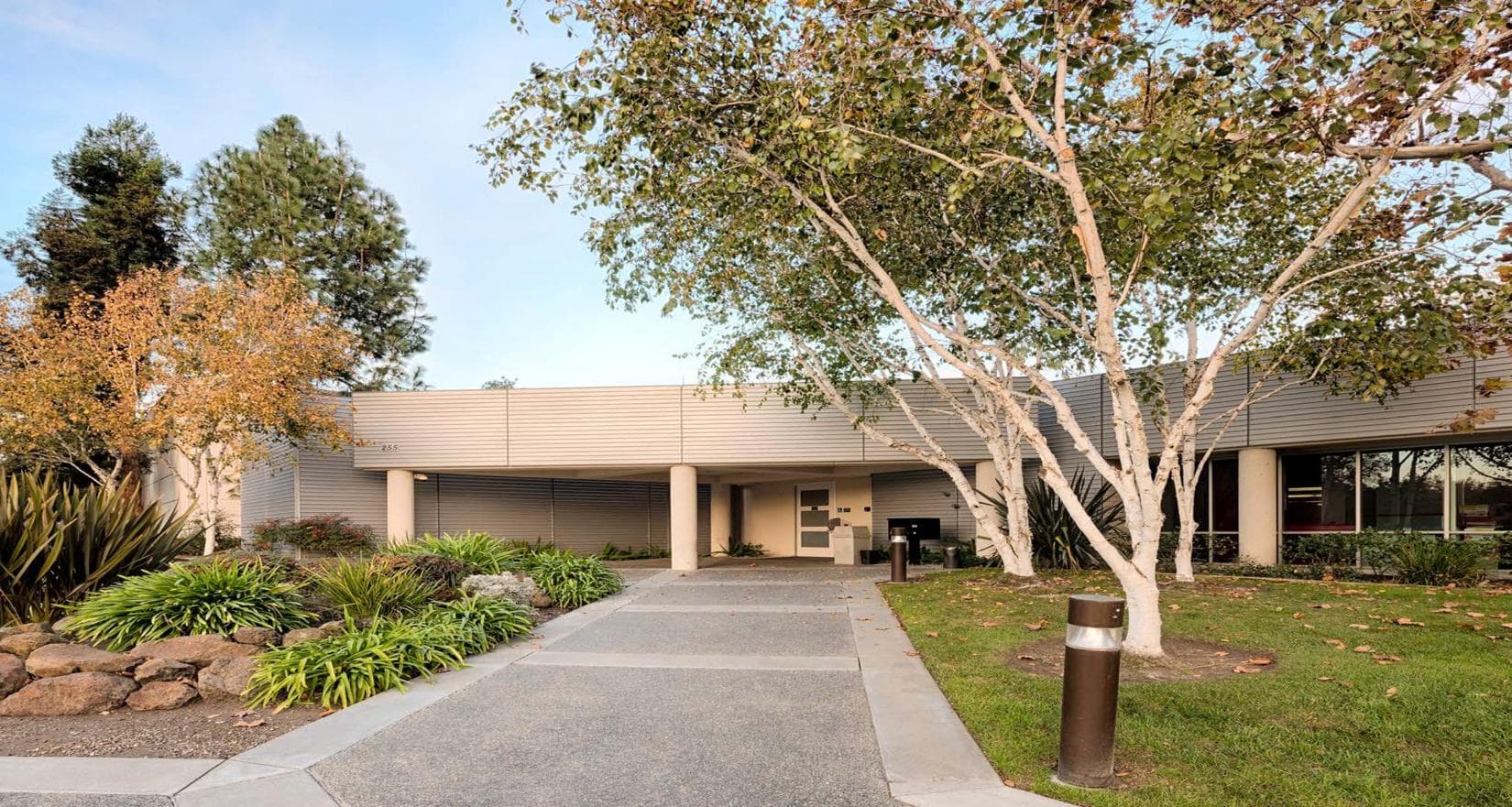

About Brookfield
Brookfield is an investment firm with many business lines. For 1031 investors, the relevant part is its real estate income REIT. Brookfield Real Estate Income Trust Inc., often called Brookfield REIT, is a non-traded REIT. That means its shares do not trade on a stock exchange.
The REIT's annual report on Form 10-K for 2025 gives its basic facts. It says the REIT was "formed on July 27, 2017, as a Maryland corporation." Its address is 225 Liberty Street, 8th Floor, New York, New York.
The REIT is externally managed by Brookfield REIT Adviser LLC, which the 10-K calls "an affiliate of Brookfield Asset Management Ltd." The same filing says Brookfield had over $1 trillion of assets under management as of December 31, 2025. That figure covers all of Brookfield, not just real estate.
Brookfield Private Wealth's website has a page on 1031 and 721 exchanges. That page says Brookfield had $273 billion of real estate assets under management as of December 31, 2025.
Brookfield's DST and 1031 programs
A Delaware statutory trust (DST) is a trust that owns real estate. Investors buy beneficial interests in the trust. Those interests can qualify as replacement property in a 1031 exchange. A 1031 exchange lets a seller of investment property defer capital gains tax by buying like-kind property.
When the program started
According to the 10-K, the REIT "launched a program to raise capital" on October 1, 2024. The program runs through the REIT's operating partnership. It may sell up to $1.0 billion of beneficial interests in DSTs. Sales are made in private placements, which are not registered with the SEC.
How the program raises money
The 10-K says the REIT, "through the Operating Partnership," runs the DST Program. Existing REIT properties, or properties bought from third parties, may be placed into DSTs. Interests in those trusts are then sold to investors.
The 10-K gives one dated size figure. It says the REIT "had raised gross offering proceeds of $118 million through the DST Program" as of December 31, 2025. That is money raised, not a measure of results.
How the structure works
The 10-K describes a master lease structure. A master lease means one tenant leases the whole property from the trust. Here, a subsidiary of the REIT leases each DST property. The REIT's operating partnership backs those leases.
The 10-K also describes a "fair market value option," or FMV Option. It lets the operating partnership buy back a DST property later. The price is based on the property's fair market value at that time.
The 721 path
When the operating partnership buys a DST property, investors may receive operating partnership units (OP units). This swap is a 721 exchange, often called an UPREIT. Brookfield Private Wealth's 1031 page describes this path. It also says "the conversion of OP Units is subject to the discretion of the operating partnership."
The 10-K adds a tax point. Investors who become OP unit holders stay tied to the original tax basis and built-in gain of the property. The guide to 721 exchanges explains what that can mean later.
Dealer manager
The 10-K names Brookfield Private Wealth LLC, formerly Brookfield Oaktree Wealth Solutions LLC, as dealer manager for the REIT's public offerings. The 10-K does not name a dealer manager for the DST Program. FINRA lists Brookfield Private Wealth LLC as CRD 313390.
How to research Brookfield's offerings
Begin with the private placement memorandum (PPM) for any Brookfield trust. It explains fees, loan terms, the master lease and the FMV Option. Each trust's Form D is on SEC EDGAR, and the REIT's 10-K and 10-Q filings describe the DST Program. You can look up Brookfield Private Wealth LLC on FINRA BrokerCheck. Ask how the REIT values properties, what fees apply at the 721 exchange and how much debt each trust carries. The guides on how to check a DST sponsor and how to read a DST offering walk through these steps.
Frequently asked questions
Is Brookfield a DST sponsor?
Yes. Brookfield REIT launched a DST program on October 1, 2024, through its operating partnership. The 10-K says it may sell up to $1.0 billion of DST interests. They are sold in private placements, mostly to accredited investors.
Does Brookfield offer 721 exchange programs?
Yes. Its DST structure includes an option for the REIT's operating partnership to buy back DST properties. DST investors may then receive OP units in a 721 exchange. Brookfield notes that OP unit conversion is up to the operating partnership.
Where is Brookfield REIT headquartered?
The REIT lists 225 Liberty Street, 8th Floor, in New York as its address in its 10-K. The DST Program runs through the REIT's operating partnership.
Who manages Brookfield REIT?
Brookfield REIT is externally managed by Brookfield REIT Adviser LLC. The 10-K calls that firm an affiliate of Brookfield Asset Management Ltd.
What are the risks of a Brookfield DST?
Distributions are not guaranteed. DST interests are illiquid, and investors can lose money. Confirm tax questions with your CPA and qualified intermediary.
How can I look up Brookfield's DST offerings?
Each trust's Form D is on SEC EDGAR, and the REIT's 10-K and 10-Q filings describe the DST Program. You can look up Brookfield Private Wealth LLC on FINRA BrokerCheck.
Questions to ask about any DST sponsor
- Full-cycle results
- Ask for every program the sponsor has sold, including any that went back to a lender, and how investors came out of each one.
- Fees and loads
- Find the total load in the private placement memorandum (PPM): selling commissions, dealer-manager fees, acquisition and financing fees, and fees at sale.
- Debt
- Check the loan amount, rate, term and maturity date, and what happens if the loan can't be refinanced when it comes due.
- Reserves and capitalization
- See how much is held in reserve for repairs and vacancy, and whether the sponsor has the capital to support a property through a hard stretch.
- Conflicts of interest
- Read the PPM's conflicts section: affiliated managers, master lease arrangements, and any 721 exchange into the sponsor's own REIT.
- Regulatory record
- Look up the managing broker-dealer on FINRA BrokerCheck, and search the sponsor's filings on SEC EDGAR.
For a step-by-step version, see how to check a DST sponsor and how to evaluate a DST sponsor.
Sources
This profile is general information about Brookfield, drawn from its own website and public filings. It is not an endorsement or recommendation of the sponsor or any of its offerings, and sponsors are listed alphabetically, not ranked. Baker 1031 may receive compensation from sponsors whose offerings it makes available. DST and other real estate securities are speculative and illiquid, distributions are not guaranteed, and you can lose your entire investment. Most are available only to accredited investors. This isn't tax or legal advice; talk with your CPA, attorney and qualified intermediary. Securities are offered through Aurora Securities, Inc., member FINRA/SIPC.